

Understanding the psychology behind gambling behavior in casinos
The Thrill of Uncertainty
The psychology of gambling is largely rooted in the thrill of uncertainty. Gamblers are often drawn to the unpredictable nature of games, which can create a powerful emotional experience. This uncertainty triggers excitement and anticipation, encouraging players to engage repeatedly, hoping for that elusive big win. The randomness of outcomes is a key factor that keeps players returning, as each game holds the promise of reward and excitement. If you’re looking to enhance your gaming journey, consider checking out the Pinco Application, which offers valuable insights and advantages.
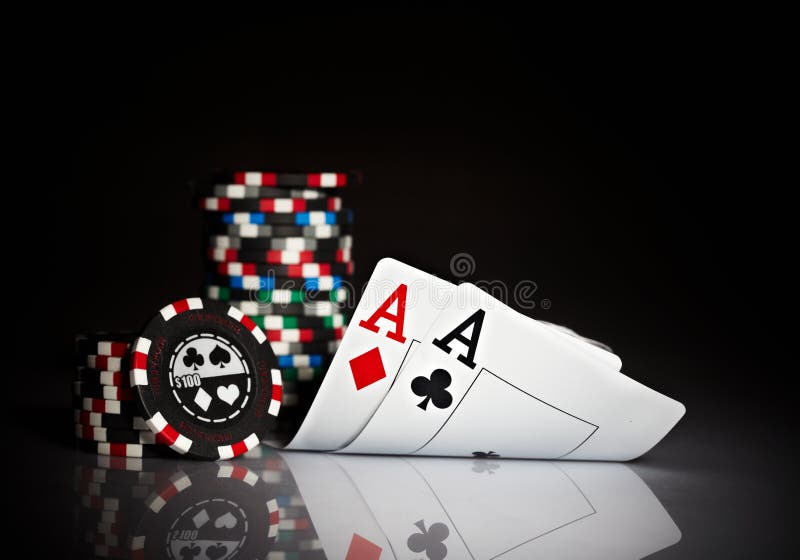
Additionally, the psychological concept known as “variable reinforcement” plays a significant role in gambling behavior. Unlike fixed rewards, which can become mundane, variable reinforcement keeps players guessing when their next win might occur. This unpredictability can enhance the overall gambling experience, making it more engaging and addictive.
The Role of Cognitive Biases
Cognitive biases significantly influence gambling behavior, often leading players to make irrational decisions. One common bias is the “illusion of control,” where individuals believe they can influence outcomes through their actions, such as betting patterns or strategies. This false sense of control can lead to increased gambling, as players feel empowered despite the inherent randomness of casino games.
Another prevalent bias is the “gambler’s fallacy,” where players mistakenly believe that past outcomes will influence future results. For instance, a player might assume that a slot machine is “due” for a win after a series of losses. These cognitive distortions can cloud judgment, causing players to chase losses and continue gambling even when the odds are against them.
The Social Aspect of Gambling
Gambling is often viewed as a social activity, with many players enjoying the communal experience of being in a casino. This social aspect can amplify the excitement, as individuals share in the highs and lows of each other’s games. Social interactions can also serve as a form of validation for gambling behavior, making it easier for individuals to justify their choices. Apps like App Pinco help to enhance this communal experience by connecting players in real-time.
Moreover, the presence of peers can create a competitive atmosphere that enhances the overall experience. Players may feel compelled to gamble more when they see others winning or having fun, leading to a herd mentality that can increase gambling behavior. This social reinforcement plays a crucial role in fostering a gambling culture within casinos.

The Impact of Environment on Gambling Behavior
The environment within a casino is meticulously designed to encourage prolonged engagement. Factors such as lighting, sounds, and even scent can significantly influence players’ emotions and behaviors. Casinos often use bright lights and exciting sounds to create an exhilarating atmosphere, drawing in players and encouraging them to stay longer.
Additionally, the layout of a casino is designed to minimize distractions and promote a sense of immersion. By positioning games close together and avoiding windows or clocks, casinos can create an environment where players lose track of time and become more absorbed in their gaming experience. This carefully crafted atmosphere can enhance the psychological effects of gambling, making it even more compelling.